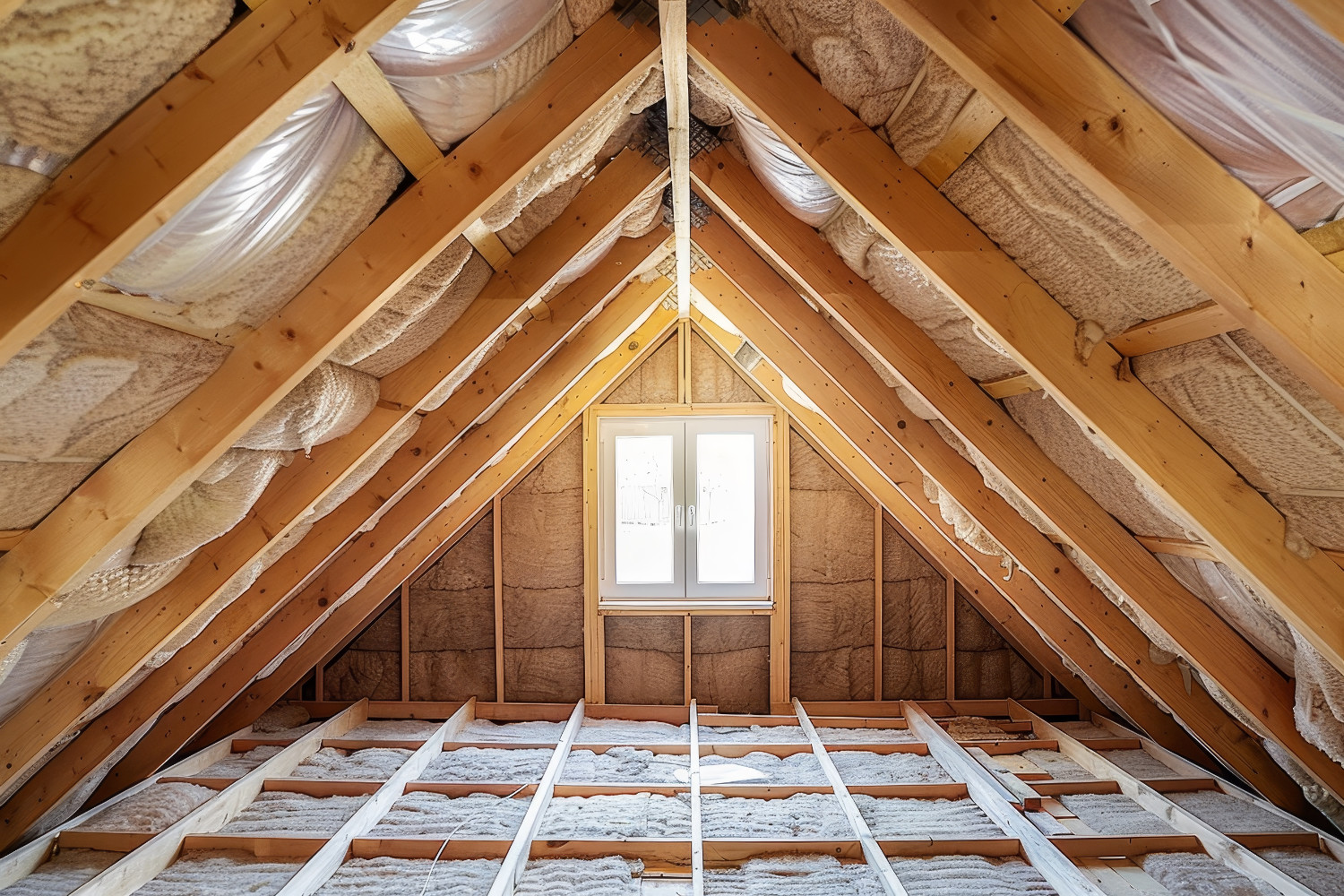
Winnipeg winters are no joke. Between bone-chilling cold snaps, sudden thaws, and months of snow, your home is constantly tested by harsh and fluctuating temperatures. If your attic space and roof cavity aren’t properly insulated, your comfort, energy bills, and even your roof itself can take the hit.
The good news? Proper attic insulation and roof insulation do more than keep you cozy. They help reduce heat loss, improve year-round comfort, and lower the risk of moisture problems and ice dams when combined with proper air sealing and ventilation.
Quick tip: If you’re noticing cold drafts, unusually high heating bills, or ice dams forming along your eaves, it may be time to have your attic insulation assessed.
In this article
Why Attic and Roof Insulation Matters in Winnipeg
Winnipeg’s climate makes insulating attics and roofs an important part of maintaining a comfortable, energy-efficient home. Here’s why:
- Energy efficiency: Heat naturally moves from warmer areas to colder ones. Without sufficient attic insulation, heat can escape through the ceiling into the attic, increasing heating costs. Proper insulation slows this heat transfer and can also help keep your home cooler during summer.
- Comfort: No one enjoys stepping into a cold bedroom or dealing with uneven temperatures between floors. Adequate insulation, combined with effective air sealing, helps maintain more consistent indoor temperatures.
- Moisture control: During Winnipeg’s long winters, warm, humid indoor air escaping into a cold attic can lead to frost and condensation. This moisture may accumulate and eventually cause dripping water during spring thaws. Proper air sealing, insulation, and attic ventilation help manage these conditions.
- Protection against ice dams: Heat escaping into an attic can warm the roof deck, melting snow that later refreezes at the eaves. A properly insulated and air-sealed attic helps reduce this risk, although severe weather and roof conditions can still contribute to ice dam formation.
According to Natural Resources Canada, air sealing is especially important when upgrading attic insulation because air leaks can contribute to both heat loss and moisture problems.
Recommended Insulation Standards
Understanding R-value, which measures resistance to heat flow, is an important part of choosing the right attic insulation for your home. Higher R-values provide greater thermal resistance, but the appropriate amount depends on your home’s construction.
- Manitoba insulation standards: Above All generally recommends upgrading accessible attic spaces to R-50, consistent with a common insulation target for Manitoba homes. Specific building code requirements depend on the roof assembly and applicable construction standards.
- Higher R-values: Some homes may benefit from R-60 insulation for additional energy efficiency. However, more isn’t always better. Attic height, available space, and ventilation must be considered, particularly in older homes. Flat roofs and cathedral ceilings may require different insulation approaches.
- Effective vs. nominal R-value: Nominal R-value describes the insulation material’s thermal resistance. Effective R-value considers the performance of the entire building assembly, including framing and thermal bridging. Air sealing is also essential because gaps around attic hatches, plumbing penetrations, and fixtures can allow heat to escape even when insulation levels appear adequate.
Key takeaway: The goal is not simply to install as much insulation as possible, but to create a system that performs properly for your home.
Choosing the Best Insulation for Attics and Roofs

Not all insulation materials are created equal. Choosing the right insulation depends on your attic’s construction, existing insulation, available space, and energy efficiency goals.
At Above All Insulation, we commonly work with three materials:
- Blown-in Cellulose Insulation: Made primarily from recycled paper fibres, cellulose is a cost-effective option for insulating attic floors and topping up existing insulation. Its density and ability to fill irregular spaces make it particularly useful in many Winnipeg attics.
- Fibreglass Batt Insulation: An affordable, widely used option for accessible cavities. Fibreglass performs well when properly fitted without gaps or compression, but it does not provide an air seal on its own.
- Closed-Cell Spray Foam Insulation: Offers high thermal resistance per inch and creates an effective air barrier when properly installed. At appropriate thicknesses, it can also provide vapour control. Spray foam is especially useful for challenging areas, including rim joists, certain attic restorations, and specialized roof assemblies.
Quick Comparison Table
| Insulation Type | Relative Cost | Main Advantage | Best Use |
|---|---|---|---|
| Blown-in Cellulose | $ | Continuous coverage across irregular spaces | Attic floors and insulation top-ups |
| Fibreglass Batts | $ | Affordable and effective when properly fitted | Accessible framing cavities |
| Closed-Cell Spray Foam | $$$ | High R-value per inch and air sealing | Attic restorations, rim joists, and specialized roof areas |
Costs vary depending on the project’s size, accessibility, preparation requirements, and installation method.
Common Problems Insulation Solves in Winnipeg Homes
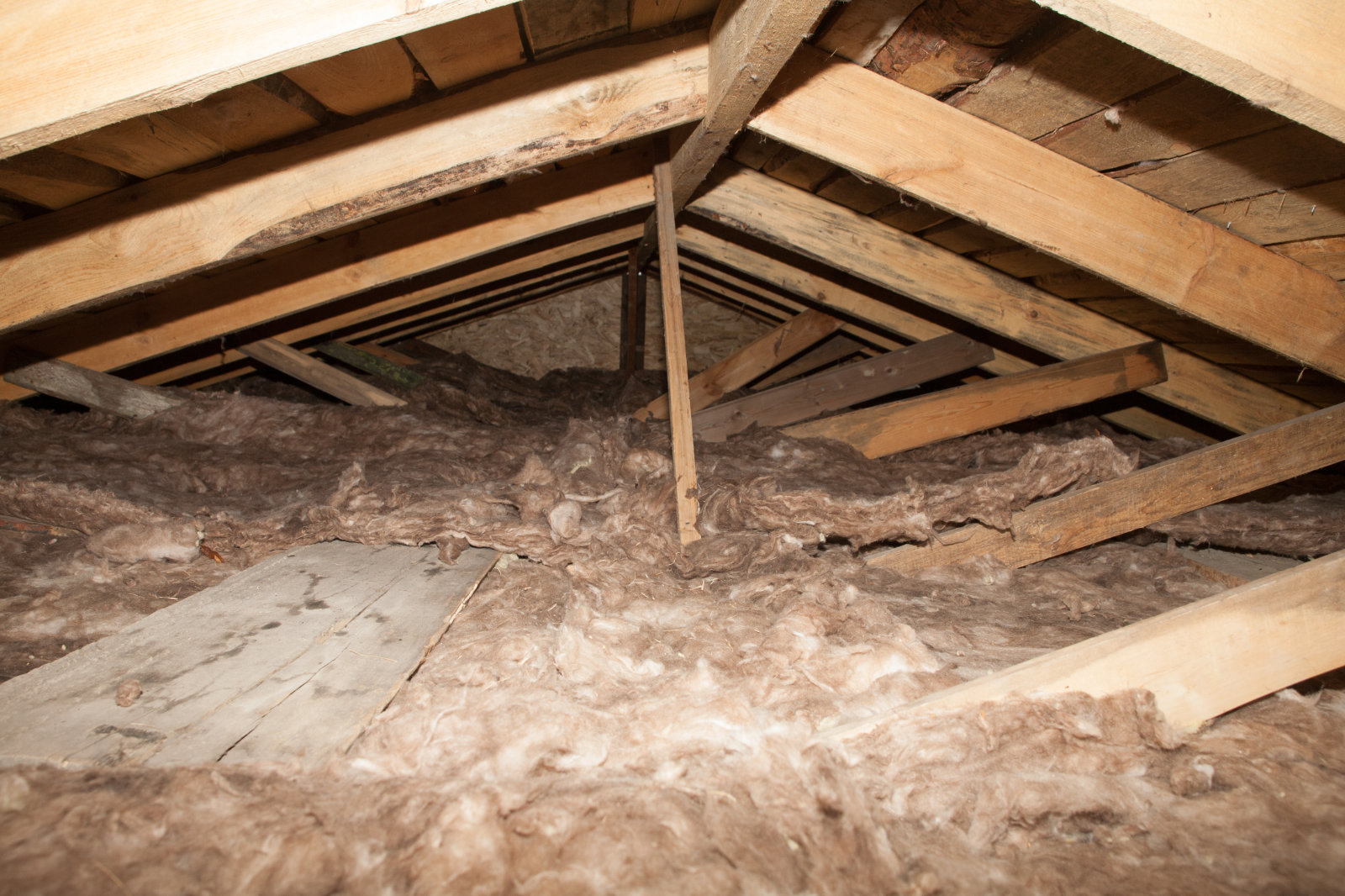
Many Winnipeg homeowners contact Above All because of uncomfortable rooms, rising energy bills, or concerns about attic moisture.
Signs that your attic insulation may need attention include:
- Cold or drafty rooms on upper floors.
- Uneven temperatures between different areas of the home.
- Frost, condensation, or water dripping from the attic during spring thaws.
- Higher-than-expected heating bills.
- Ice dams forming along roof edges, potentially contributing to leaks.
- Existing insulation that appears uneven, compressed, wet, or damaged.
Important: These symptoms don’t always mean you need more insulation. Air leakage, poor ventilation, roof leaks, and other building issues can produce similar problems.
Older insulation doesn’t automatically need replacing, either. If it’s dry, clean, and performing properly, topping it up may be sufficient. However, damaged or potentially hazardous materials should be assessed before work begins.
Learn more in our guide to Types of Old Insulation Found in Manitoba Homes.
Above All’s Process for Insulating Attics
At Above All Insulation, we don’t just add insulation. We assess how your attic’s insulation, air sealing, moisture control, and ventilation work together to provide lasting performance.
Here’s how we typically approach an attic insulation upgrade:
- Inspection & Assessment: We evaluate existing insulation levels and condition, attic ventilation, air leakage, and potential moisture concerns. This helps determine whether your attic needs a straightforward top-up or more extensive restoration.
- Preparation & Air Sealing: Before installing insulation, our team checks areas where warm indoor air can escape, including plumbing stacks, exhaust ducts, ceiling penetrations, and attic access points. We also weatherstrip and build a retainer around the attic hatch where appropriate.
- Insulation Installation: Depending on your attic’s condition, we may install blown-in cellulose, fibreglass, closed-cell spray foam, or a combination of materials. For some older attic restorations, we remove problematic insulation, apply closed-cell spray foam to create a continuous air and vapour-control layer, and add fibre insulation to reach the target R-value.
- Ventilation Considerations: We install air chutes where required to maintain clear ventilation pathways near the eaves and assess whether existing roof and soffit ventilation is adequate. Proper airflow is important, but additional vents aren’t always necessary or beneficial.
For many attic projects, our crews can access the work area through an existing roof vent, minimizing disruption inside the home. Straightforward insulation top-ups are often completed in a day, while more extensive restoration projects may take longer.
Our goal is to ensure the insulation upgrade addresses your home’s actual needs rather than simply adding another layer of material.
Rebates & Incentives (Efficiency Manitoba)
Upgrading your attic insulation may be more affordable with available provincial incentives.
- Efficiency Manitoba rebates: The Home Insulation Rebate provides financial incentives for qualifying attic, wall, and foundation insulation upgrades.
- Additional air sealing incentive: Eligible homeowners may qualify for an air sealing bonus of up to $1,000 when the required improvements and pre- and post-retrofit EnerGuide evaluations are completed.
- Help with the application: Above All Insulation can help determine potential rebate eligibility and facilitate the application process.
Before starting your project: Efficiency Manitoba requires approval before purchasing materials or beginning work, including removing existing insulation. Eligibility and rebate amounts depend on your home and the proposed improvements.
Why Choose Above All for Winter Insulation?
When it comes to insulating attics in Winnipeg, experience and attention to detail matter.
Here’s what Above All Insulation brings to your project:
- Over 20 years of local experience: We understand the challenges created by Winnipeg’s cold winters and the different construction styles found throughout the city.
- Experienced installation teams: Most of our work is completed by trained in-house staff, with carefully selected subcontractors supporting certain specialized projects.
- Solutions for different home styles: From older attics and knee walls to complex roof designs, we assess the available space, insulation requirements, and ventilation before recommending an approach.
- A complete-system approach: We prioritize insulation, air sealing, and proper ventilation together to help improve comfort, efficiency, and long-term building performance.
Learn more about our Attic Insulation Installation services.
Conclusion
A well-insulated attic isn’t just about staying warm. It’s about improving your home’s comfort, reducing unnecessary heat loss, and helping protect against moisture problems and ice dams.
For Winnipeg homeowners, attic and roof insulation can make a meaningful difference through our cold winters and warm summers. But the best results come from understanding your home’s existing conditions and addressing insulation, air leakage, and ventilation together.
Whether your attic needs a simple insulation top-up or a more comprehensive restoration, Above All Insulation can help you explore the right solution for your home.
Ready to improve your home’s comfort?
Don’t wait until high heating bills, persistent drafts, or attic moisture become bigger concerns. Contact Above All Insulation to find out how we can help improve your home’s comfort and energy efficiency.