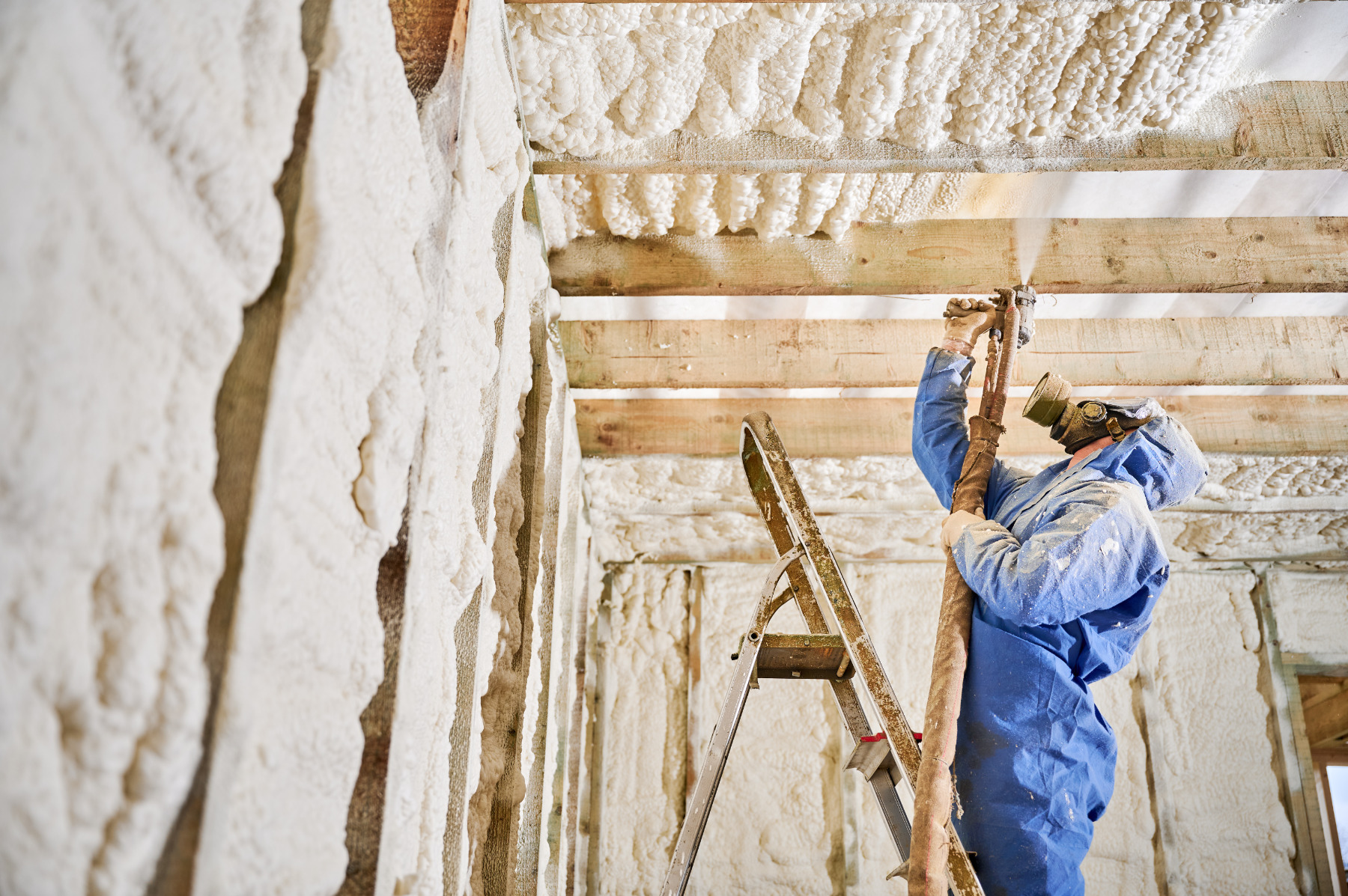
Spray foam insulation can be installed throughout the year, but summer is often one of the best times to install spray foam insulation in Winnipeg. Warmer weather can make it easier to maintain suitable installation conditions, while completing the work before winter allows homeowners to address drafts, heat loss, and uncomfortable areas before temperatures dip.
The most important factor, however, isn’t simply the month on the calendar. Proper spray foam installation depends on the temperature and condition of the surface being sprayed, moisture levels, the spray foam product being used, and the manufacturer’s installation requirements.
Why Summer Is a Good Time to Install Spray Foam Insulation
Winnipeg’s winter conditions can quickly expose weaknesses in a home’s insulation. Cold floors, drafts around the perimeter of the house, and chilly basements or crawlspaces often become much more noticeable once freezing temperatures arrive.
Installing spray foam insulation during the summer months gives homeowners an opportunity to address these problems ahead of the colder months.
Summer installation can also provide several practical benefits:
- Warmer surfaces: Substrate temperature is an important part of applying spray foam correctly. Summer generally makes it easier to maintain suitable surface temperatures.
- Drier work areas: Spray foam needs to be applied to a clean, dry and suitable substrate. Less moisture can help installers maintain ideal conditions and avoid problems such as poor adhesion.
- Easier access: Basements, crawlspaces, rim joists and other areas may be easier to access and prepare before winter conditions arrive.
- Improved comfort before winter: Air sealing problem areas can reduce drafts and unwanted heat transfer once cold weather returns.
- Energy efficiency: Proper insulation and air sealing can reduce heat loss, helping your heating and cooling systems maintain comfortable indoor temperatures more efficiently.
You may even notice some benefits during the remaining summer months. Reducing unwanted heat transfer can help your home stay more comfortable when outdoor temperatures are high.
Does Spray Foam Need Warm Weather to Cure Properly?
Not necessarily.
Different spray foam products are designed for different temperature ranges, including products intended for colder conditions. That means professional spray foam insulation can often be installed year round, provided the installer uses the appropriate product and follows its application requirements.
Rather than relying on one universal temperature range, installers need to consider factors such as:
- air temperature
- substrate temperature
- surface moisture
- humidity
- the type of spray foam being installed
- manufacturer specifications
A properly prepared surface is particularly important. Before applying spray foam, existing material may need to be removed so the foam can be installed against a solid, clean and dry substrate.
Can Spray Foam Be Installed in Winter?
Yes. Spray foam can be installed during the winter months, but cold weather can make the installation process more challenging.
Products designed for cold-weather installation may allow spray foam to be applied at lower temperatures, although the acceptable range varies between products. Equipment, materials and the work area also need to be maintained appropriately so the foam can be installed and cure properly.
This is why summer, fall and other milder periods can be convenient times for homeowners to schedule the work. That said, you don’t necessarily need to wait until summer if your home has an insulation problem that needs attention.
Where Can Closed-Cell Spray Foam Help?
Above All primarily uses closed-cell spray foam in areas where air sealing, moisture resistance and high insulation performance are important.
In Winnipeg homes, common applications include:
Rim joists and perimeter areas: Winnipeg’s cold, windy winters can highlight air leakage around these areas. Closed-cell spray foam can help create a continuous air barrier and reduce drafts.
Crawlspaces: Unheated crawlspaces can contribute to cold floors and uncomfortable rooms above them. Installing spray foam insulation can help reduce heat loss between the home and the colder space below.
Basements: Basements are often cool and damp. Closed-cell spray foam provides insulation while also helping control air and moisture movement when installed as part of an appropriate building assembly.
Because closed-cell spray foam provides a high R-value per inch, it can also be useful where available space for insulation is limited.
What Should You Expect During Spray Foam Installation?
Before installation begins, the work area needs to be properly prepared. Existing insulation may need to be removed, surfaces are inspected, and nearby windows, doors, floors and finishes are protected.
The spray area is then isolated before the foam is applied.
Ventilation and re-entry requirements are also important for indoor air quality and safety. Depending on the spray foam product and installation requirements, homeowners may need to remain outside the treated area while the foam completes its curing process. Your insulation contractor should provide clear instructions before work begins.
Is Summer the Ideal Time for Your Home?
For many Winnipeg homeowners, summer is an ideal time to install spray foam insulation, particularly if you want to improve comfort and energy efficiency before another Manitoba winter.
But there isn’t one season that works for every project. The right time depends on the area being insulated, its current condition, moisture levels, surface temperature and the spray foam system being used.
If you’re noticing cold floors, drafts, uncomfortable rooms or rising energy bills, you don’t necessarily need to wait for winter to prove there’s a problem.
Contact Above All for a free consultation and find out whether spray foam insulation is right for your home.