
When people think about insulation in Winnipeg, they usually think about winter. Fair enough. Our winters are long, cold, windy, and occasionally feel like nature is personally annoyed with us. But proper insulation is not only a winter upgrade. It also helps keep your home cool during the hot summer months by slowing the movement of heat through your attic, walls, basement, crawl space, and other parts of the building envelope.
If your upstairs bedrooms feel too warm, your air conditioner runs constantly, or some rooms never reach a comfortable temperature, your home may not be insulated or air sealed as well as it should be. A better-insulated, energy efficient home is easier to cool in the summer, easier to heat in the winter, and more comfortable year-round. The key to staying cool in the summer is understanding where heat enters your home and which upgrades will make the biggest difference.
Table of Contents
- Does Insulation Help Keep Your House Cool in Summer?
- Why Winnipeg Homes Get Too Hot in Summer
- Start With Attic Insulation
- Seal Air Leaks Before Adding Insulation
- Ventilation Still Matters
- Do Not Ignore Basements, Crawl Spaces, and Rim Joists
- Walls and Exterior Insulation
- What About Reflective Insulation or Radiant Barriers?
- Summer Is a Good Time for Installing Insulation
- How Better Insulation Helps Your Air Conditioner
- Simple Ways to Keep Your Home Cool in Summer
- Are There Insulation Rebates in Manitoba?
- When Should You Call an Insulation Professional?
- The Bottom Line: Summer Comfort Starts With the Building Envelope
- FAQ
Does Insulation Help Keep Your House Cool in Summer?
Yes! Insulation helps keep your house cool by slowing heat transfer.
Insulation does not create cold air, and it does not supply cool air on its own. That is the job of your cooling system. Instead, insulation acts as a barrier that prevents heat from moving too quickly between outdoor conditions and your living spaces. In winter, it helps keep warm air inside. In summer, it helps reduce heat gain from the sun’s heat, hot air outside, and overheated attic space.
That means your air conditioner does not have to work as hard to maintain a comfortable indoor temperature. Over time, this can support better energy efficiency, lower energy bills, and a more energy efficient home.
Proper insulation can help:
- Keep your home cool for longer after your air conditioner cycles off
- Reduce heat gain through the attic and exterior walls
- Improve comfort in upstairs rooms and other living spaces
- Help your air conditioning system use less energy
- Reduce strain on your cooling system
- Improve energy savings throughout the year
Poor insulation does the opposite. It allows heat to move into the home more easily, which can make the house hotter and force the air conditioner to run longer.
Why Winnipeg Homes Get Too Hot in Summer
Many homeowners assume their AC is the only reason the house does not stay cool. Sometimes the air conditioner needs maintenance, but many summer comfort problems start with the home itself.
Common issues include:
- Low or uneven attic insulation
- Gaps around attic hatches, plumbing stacks, exhaust fans, and ducts
- Unsealed rim joists or sill plates
- Older exterior walls with limited insulation
- Heat entering through windows and doors
- Poor attic ventilation
- Rooms over garages, crawl spaces, or other unconditioned spaces
- Duct or air distribution system issues
- Too much solar heat from south, and west, facing windows
The attic is often one of the biggest sources of summer heat. On sunny days, your roof absorbs the sun’s rays and the roof cavity can become extremely warm. Without adequate insulation, ceiling insulation, and air sealing, that radiant heat can move down into the living space below. This is one reason upstairs bedrooms often feel warmer than the main floor, even when the air conditioning is running.
Start With Attic Insulation

For many Winnipeg homes, attic insulation is the best place to start.
Your attic sits directly between your roof and your living spaces, and unfinished attic spaces can become a major source of heat when they are under-insulated. If the insulation is thin, uneven, compressed, wet, or missing in places, heat can move into the home more easily. In winter, the same weak points can allow warm air to escape into the attic, increasing the risk of frost, condensation, and ice dam problems.
A well-planned attic insulation upgrade should focus on proper insulation, air sealing, and ventilation. It should look at the full attic system, not just the depth of loose fill insulation.
Before installing insulation, the attic should be checked for:
- Existing R-value and insulation depth
- Moisture, staining, mould, or damaged insulation
- Bathroom fans and exhaust ducts
- Plumbing stacks and other penetrations
- Attic hatch sealing
- Blocked soffits or ventilation paths
- Air chutes and attic ventilation
- Areas where insulation may be touching the roof deck
- Stored items or attic decking that may compress insulation
In Winnipeg, R-50 is a common attic insulation target. In some homes, R-60 may be worth considering, but extra insulation is not always the right answer if the attic has limited space, poor ventilation, or existing moisture concerns. The goal is effective insulation, not just more insulation piled into the attic.
Seal Air Leaks Before Adding Insulation
One of the most important parts of insulating a home for summer is air sealing.
Insulation slows heat movement through materials. Air sealing reduces uncontrolled air movement through gaps, cracks, and penetrations. You usually need both if you want the home to perform well.
Air leaks can allow hot outdoor air to enter and cool air to escape. In winter, those same gaps can allow warm air to enter the attic, where it may contribute to frost and condensation. Sealing these openings helps reduce heat gain in summer and heat loss in winter.
Common areas to inspect include:
- Attic hatches
- Pot lights and electrical penetrations
- Plumbing stacks
- Bathroom fans and exhaust ducts
- Rim joists
- Sill plates
- Window and door trim
- Cable, gas, and service penetrations
If you only add insulation without dealing with major air leakage, you may not get the comfort improvement you expected. A professional insulation assessment can identify where to seal air leaks before new insulation is installed over top, making them harder to access.
Ventilation Still Matters
A properly insulated home should not be sealed up blindly. Ventilation still matters.
In the attic, ventilation helps move air through the attic space and reduce trapped heat and moisture. During summer, this can help limit extreme attic temperatures. During winter, it helps manage moisture that may otherwise accumulate in the attic and later drip or stain ceilings when conditions warm up.
This is why attic insulation, air sealing, and ventilation should be planned together. If insulation blocks soffit vents, or if air chutes are missing, the attic may not ventilate properly. Good attic work protects airflow while improving insulation levels.
This balance is especially important in Winnipeg, where homes deal with both hot summer conditions and long periods of winter cold.
Do Not Ignore Basements, Crawl Spaces, and Rim Joists
The attic usually gets the most attention, but basements, crawl spaces, and rim joists can also affect comfort and energy bills.
Rim joists are located around the perimeter of the home where the floor joists meet the foundation. They are common areas for air leakage, especially in older homes and additions. Crawl spaces and rooms over unconditioned spaces can also make parts of the home harder to keep comfortable.
Closed-cell spray foam can be a strong option in these areas because it provides insulation and air sealing in one application. It can help reduce drafts, moisture movement, and energy costs when used in the right place.
Basements are another important area. A damp or poorly insulated basement can affect the way the whole home feels. Moisture can also reduce the performance of fibre products such as batt insulation or loose material if they become wet. In the right application, spray foam insulation can help create a cleaner, drier, more stable area below the main floor.
If your floors feel uncomfortable, your basement is musty, or your home has uneven temperatures, the issue may not be only in the attic.
Walls and Exterior Insulation
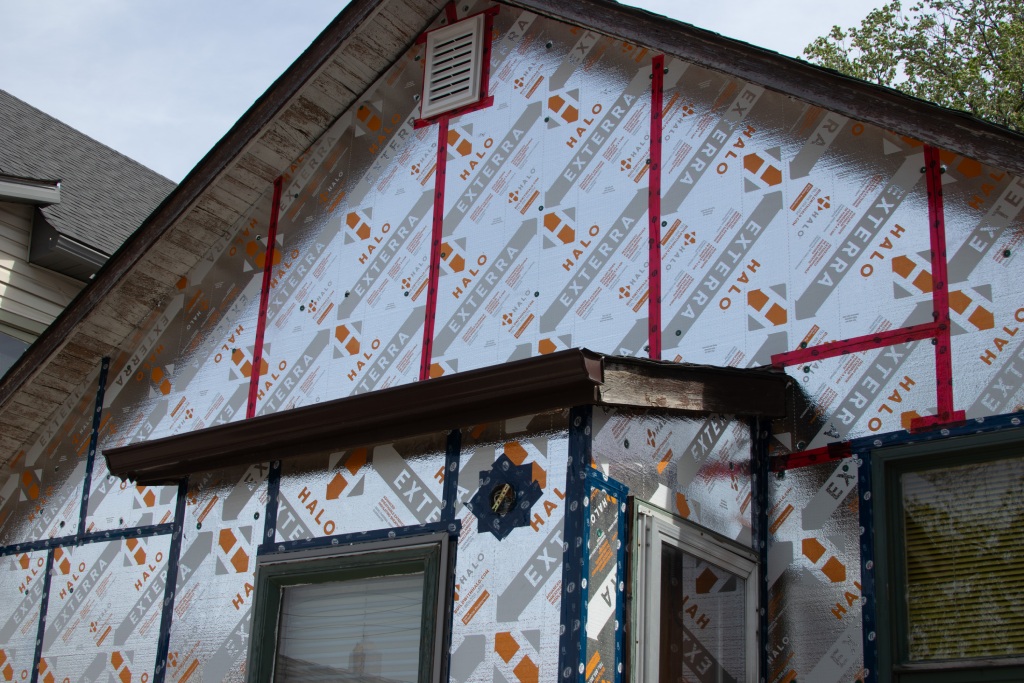
Wall insulation also plays an important role in summer comfort. If exterior walls have little or no insulation, heat can move into the home more easily during the day. This is common in older homes, especially those built before modern energy efficiency standards.
In some cases, empty wall cavities can be filled with cellulose insulation from the interior or exterior. This may help create a cooler indoor environment without fully removing interior drywall.
If you are replacing siding, it can also be a smart time to consider exterior insulation. Continuous exterior insulation helps reduce thermal bridging, which happens when framing materials allow heat to bypass insulation in wall cavities. When paired with proper house wrap, flashing, strapping, and a rainscreen, exterior insulation can improve comfort, moisture management, and long-term wall performance.
This is one of the best times to think about high quality insulation because the wall assembly is already being opened up. The parts you do not see can help protect the parts you do see.
What About Reflective Insulation or Radiant Barriers?
Some summer insulation advice online focuses heavily on reflective insulation and radiant barriers. These products are more common in hot climates where reducing radiant heat from the roof is a major priority.
They can have a place in some assemblies, but they are not usually the first upgrade Winnipeg homeowners should focus on. In our Manitoba climate, the bigger priorities are usually attic insulation, air sealing, ventilation, exterior walls, rim joists, basements, and crawl spaces.
For most homes, quality insulation and proper installation will matter more than chasing a single product type, because the real goal is to reduce heat transfer through the full building envelope.
Summer Is a Good Time for Installing Insulation
Many homeowners wait until fall to think about insulation services, but summer can be a smart time to book an assessment.
During summer, comfort problems are easier to notice. You can usually tell which rooms overheat, whether your AC is running constantly, and whether certain areas never stay cool. Those clues can help identify where the home is underperforming.
Installing insulation in summer can also help prepare your home before the next heating season. The same upgrades that help keep your home cool now can also reduce winter drafts, attic frost, and ice dam risk.
Summer may be a good time to look at adding insulation if:
- Your upstairs rooms are too warm
- Your air conditioner runs constantly
- Your energy bills are higher than expected
- Some rooms never reach a comfortable temperature
- You notice drafts, hot spots, or uneven temperatures
- Your current insulation is thin, patchy, wet, or compressed
- You are planning new siding or exterior work
- You want to apply for Manitoba insulation rebates before work begins
A properly insulated home can save money in more than one season. It can also make daily life more comfortable, which is the part homeowners actually feel.
How Better Insulation Helps Your Air Conditioner
Your air conditioner can only do so much if your home is constantly gaining heat.
When insulation and air sealing are poor, the AC has to run longer to remove heat from the home. This can increase wear on the equipment and make it harder to maintain a steady indoor temperature during a heat wave.
Better insulation helps reduce the load on your air conditioning system. That means the system has a better chance of maintaining the temperature you set without running nonstop.
To help your AC work at maximum efficiency and support optimal energy efficiency:
- Replace or clean filters as recommended
- Keep vents and registers open and unblocked
- Keep the outdoor unit clear of leaves, grass, and debris
- Close blinds or curtains during peak sun
- Use fans to improve comfort in occupied rooms
- Avoid cooking, laundry, or other heat-producing tasks during the hottest part of the day
- Set the thermostat to the highest comfortable temperature
Insulation will not fix a broken or undersized air conditioner, but it can help a properly working system perform better and use less energy.
Simple Ways to Keep Your Home Cool in Summer
Insulation upgrades are important, but small habits can also help your home stay cool.
Close blinds and curtains during peak sun
South and west facing windows can bring in a lot of summer heat. Closing blinds during the hottest part of the day helps reduce heat gain, and can make it easier to keep your home cool.
Use windows strategically
If the outdoor air is cooler at night or early in the morning, opening windows can help flush out built-up heat. Once the day warms up, close windows and doors to keep hot air outside.
Reduce indoor heat sources
Ovens, dryers, lights, and electronics all add heat. Running heat-producing appliances during cooler parts of the day can help your home stay at a more comfortable temperature.
Use fans for comfort
Fans do not lower the room temperature, but they help people feel cooler by moving air. This can make it easier to stay cool without turning the thermostat down as far.
Think about windows and doors
Weatherstripping, caulking, insulated window coverings, and properly fitted doors can all help reduce unwanted air movement. Some window films can also reduce UV rays and glare, although windows are only one part of the full comfort picture.
Are There Insulation Rebates in Manitoba?
Insulation upgrades may qualify for rebates through Efficiency Manitoba, depending on the project, the area being insulated, the existing R-value, the final R-value, and current program requirements.
Eligible projects may include attic insulation, exterior wall insulation during re-siding, and foundation insulation. Approval is required before purchasing materials or starting work, including removing drywall, stucco, or original insulation.
Because rebate requirements can change, homeowners should confirm eligibility before the project begins. Rebates can help save money when the work meets program requirements. Above All Insulation can help determine whether your project may qualify and assist with the application process.
When Should You Call an Insulation Professional?
You should consider booking an insulation assessment if your home has ongoing comfort or energy efficiency issues.
Common warning signs include:
- Hot upstairs rooms in summer
- Cold floors in winter
- High energy bills
- Uneven temperatures between rooms
- Drafts around walls, floors, or attic access
- AC or furnace running constantly
- Frost, condensation, or moisture in the attic
- Ice dam issues in winter
- Damp or musty basement areas
- Older home with unknown insulation levels
- Insulation that looks thin, wet, dirty, compressed, or disturbed
A professional can help determine whether the issue is insulation, air leakage, ventilation, moisture, HVAC airflow, or a combination of factors. That matters, because the right solution depends on the actual cause.
The Bottom Line: Summer Comfort Starts With the Building Envelope
If your home is too hot in summer, turning down the thermostat is not always the best answer. The real issue may be how easily heat is entering the home in the first place.
A comfortable, energy efficient Winnipeg home depends on the full building envelope: attic insulation, wall assemblies, air sealing, ventilation, basement insulation, crawl space insulation, windows and doors, and the performance of your air conditioning system.
Better insulation can significantly improve summer comfort, help lower energy bills, reduce strain on your cooling system, and prepare your home for winter. It can also reduce your carbon footprint by helping your home use less energy year-round.
If your home is too hot in the summer, too cold in the winter, or simply not as comfortable as it should be, Above All Insulation can provide a comprehensive insulation inspection. Our team can assess your attic, walls, basement, crawl space, and air sealing needs to identify where your home is losing energy and recommend the right insulation upgrades to improve comfort, efficiency, and year-round performance.
Contact Above All Insulation today to book your insulation assessment
FAQ
Does insulation keep heat out in summer?
Yes! Insulation helps slow heat movement into the home, which can make it easier to keep your home cool during summer by slowing heat flow.
Can insulation make my house hotter?
Properly installed insulation should not make your home hotter. If comfort problems continue after an insulation upgrade, the issue may involve attic ventilation, leaky areas, windows, HVAC performance, or moisture.
What R-value do I need for attic insulation in Winnipeg?
R-50 is a common target for attic insulation in Winnipeg. R-60 may be appropriate in some homes, but the right approach depends on space, ventilation, and the condition of the existing insulation.
Should I air seal before adding insulation?
Yes. Air sealing should usually be completed before or alongside insulation work. If major gaps are buried under new insulation, they can be harder to fix later.
Can better insulation help lower energy bills?
Yes! Better insulation can help reduce unwanted heat gain in summer and escaping heat in winter, which may help lower energy bills and reduce strain on heating and cooling equipment.
What insulation should I upgrade first?
For many homes, the attic is the best place to start. However, basements, crawl spaces, rim joists, exterior walls, and windows may also be important depending on the home.
Is summer a good time to install insulation?
Yes. Summer is a good time to install insulation because comfort problems are easy to notice, and the work can prepare your home for both the summer cooling season and the next Winnipeg winter.
Are Manitoba insulation rebates available?
Rebates may be available through Efficiency Manitoba for qualifying insulation projects. Homeowners should confirm approval before starting work or buying materials.
References
- Efficiency Manitoba – Home Insulation Rebate
- Natural Resources Canada – Air Conditioning Your Home
- ENERGY STAR – Seal and Insulate
- ENERGY STAR – Attic Air Sealing Project
- U.S. Department of Energy – Home Cooling Systems
- U.S. Department of Energy – Energy Efficient Window Coverings
- U.S. Department of Energy – Ventilation Systems for Cooling